Your search for "how does life change for a dog" revealed the following articles:
-
Read more
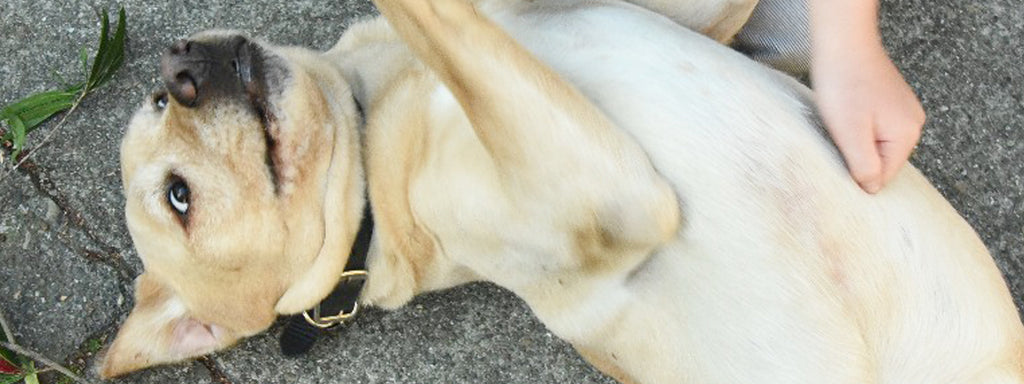
How Does Life Change for a Dog with Epilepsy?
Dog epilepsy is a fairly common seizure disorder. It is widely believed to be genetic, affecting up to 5.7% of the canine population. Epilepsy is a neurological disease that cannot be cured; however, affected dogs can still lead a good life with the right treatment. Certain dog breeds are more...
-
Read more
How Does Life Change for a Dog with Kidney Disease
Kidney disease has two forms: acute, and chronic. There are many causes for this malady, including age, infection, parasites, cancer, abnormal levels of protein accumulation in the kidney, inflammation, autoimmune disease, trauma, poisoning, and congenital disorders. Symptoms The most common signs of kidney disease include increased water consumption, decreased appetite,...
-
Read more
How Does Life Change for a Dog with Heart Disease?
For purebred dogs, heart disease is one of the most common congenital illnesses. In fact, up to 95% of heart disease cases are due to genetics. For instance, chronic valvular disease, myocardial disease, arrhythmias, pericardial disease, and congenital defects such as heart murmurs can all lead to heart disease in...
-
Read more
How Does Life Change for a Dog Who Has Allergies?
Discussed here is how the lives of these dogs are impacted. Symptoms The most common allergy symptoms include itchy skin, ear infections, runny eyes, sneezing, vomiting, diarrhea, excessive licking, snoring, and swollen paws. These symptoms are uncomfortable for pets, and unless the allergies are treated or exposure is minimized, your...
-
Read more
How Does Life Change for a Dog Who Has Diabetes?
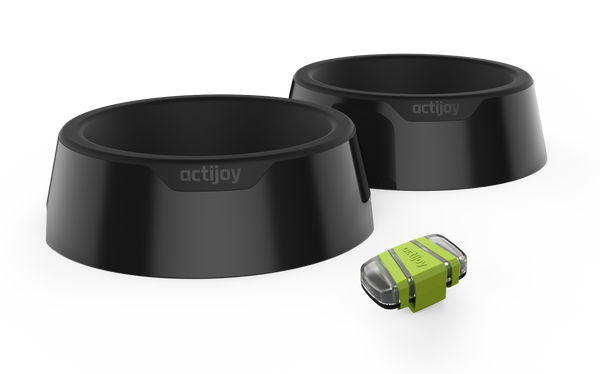
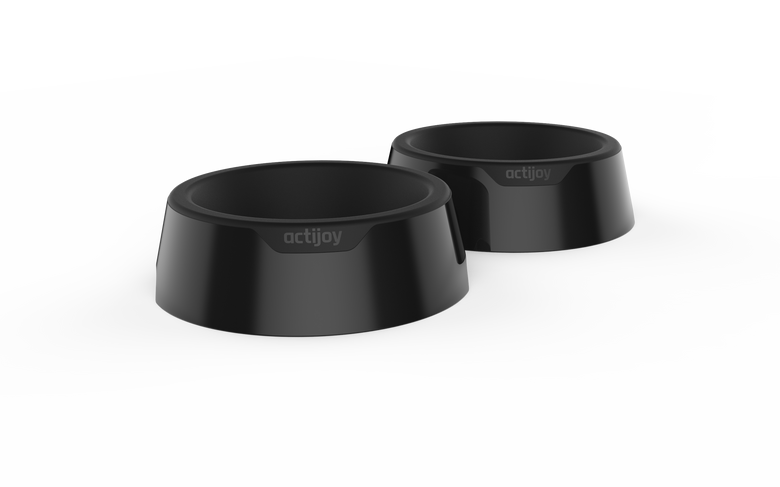
Diabetes is a disease that is characterized by the inability of the pancreas to produce a sufficient amount of insulin to control a dog’s blood sugar. The symptoms of diabetes in dogs include: Excessive water consumption - easily spotted with Actijoy Food & Water WiFi Bowl Frequent urination A larger-than-average appetite...
-
Read more
How Does Life Change For A Dog Who Has Gone Blind?
For many pet owners, blindness is more distressing for the owner than for the dog. How you can help your pet adjust to this condition will be discussed. Helping Your Dog Adjust Indoors When dogs gradually go blind due to an illness or injury, they instinctively memorize the floor plan...
-
Read more
How much does a dog cost per month on average?
Owning a dog is not only a lot of work but can also cost a lot of money. Indeed, one of the top considerations a person should make before purchasing or adopting a dog is whether he or she can afford to do so. Here, the average monthly cost of...
-
Read more
9 Basic Responsibilities of a Dog Owner
Responsible dog ownership is more than just loving your doggy, providing home, food, and freshwater. It is also about health and prevention. The 9 Pillars of Responsible Dog Ownership To Keep in Mind #1 Give Them a "Furever" Loving Home Getting a dog is a lifelong commitment, and every dog...
-
Read more
Symptoms Your Dog is Having a Heart Attack
What is a Heart Attack? A heart attack (also known as a myocardial infarction) occurs when blood is unable to reach the muscles of the heart. When the heart is deprived of blood, it does not receive necessary oxygen or nutrients. In turn, the heart muscle dies, which affects how...
-
Read more
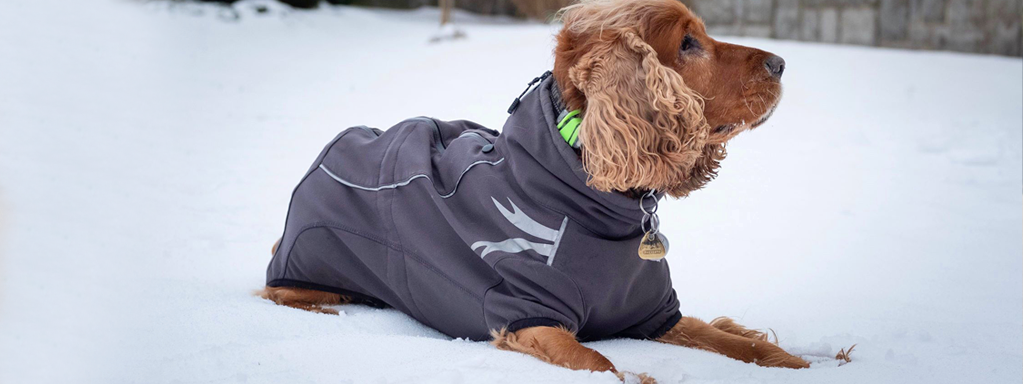
Dogs Winter Shedding
Why Do Dogs Shed? Shedding is a natural process that a dog goes through to remove dead and unwanted hair. Old fur falls out, and new fur grows in its place. All dogs lose hair from time to time, just like humans do, but some dogs shed more than others....